
If you look at any suburb this Halloween, you’ll see countless monsters roaming the streets. Vampires, creatures and ghouls all “wreaking havoc” (going to parties and trick-or-treating).
The real monsters, though, don’t look like this.
Check out the latest IT news and updates from Healthy IT's blog
If you look at any suburb this Halloween, you’ll see countless monsters roaming the streets. Vampires, creatures and ghouls all “wreaking havoc” (going to parties and trick-or-treating).
The real monsters, though, don’t look like this.

Every autumn, the medicine cabinet gets a little more crowded. There's cold medicine left over from last winter, vitamins bought in bulk, half-used bottles of cough syrup and a prescription that should have been thrown out months ago. There’s plenty of medicine there, but a full cabinet has never been a measure of anyone's health.

It’s 4:17 on a Friday afternoon.
An employee receives an email that appears to be from the owner: “Can you send me the updated banking information before you leave?”
The name is right. The tone sounds familiar. And with everyone trying to wrap up the week, the easiest thing to do is simply respond.
October is Cybersecurity Awareness Month and it's a good time to take stock of what you actually know vs. what you think you know when it comes to cybersecurity. Not all of the advice out there is accurate. Some has circulated for so long that it's taken on a life of its own and gets repeated until it sounds like fact, even when it's outdated or wrong.

When an employee leaves, most businesses remember to collect company equipment, process final paperwork, and remove them from payroll. One important step is easier to miss: shutting down every account, login, and permission they accumulated while working for the company.

Your managed IT services provider (MSP) should do more than fix things when they break. They should help keep your business secure, spot problems before they cause disruption, and make sure your technology is ready for what comes next.
If you’re not an IT expert, it’s easy to assume everything is being handled simply because your systems are working.

Most businesses know they should have a disaster recovery plan. But few have one that’s current, tested and complete.
That’s not always because they lack initiative or will. Usually, the challenge is getting the first version down.
People are often better at improving something than starting from scratch.

If you're like most business owners, you're always looking for ways to save time.
New software, AI tools and productivity systems all promise to help, but the businesses that run with the fewest interruptions usually have one thing in common: better habits.
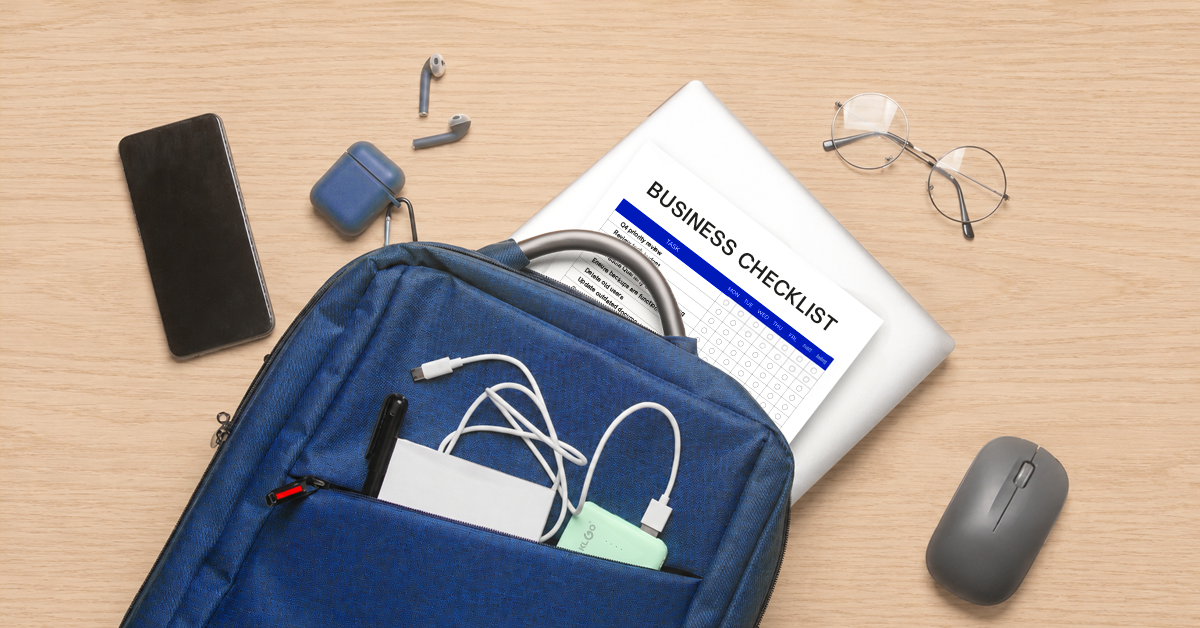
There’s something impressive about how well families execute the back-to-school season. Backpacks are ready, bedtimes are adjusted and the route to school is planned out. Somehow, amid everything else going on in August, families manage to pull it together and show up ready on day one.

If an unexpected disruption hit your business tomorrow, would you handle it with confidence?
You may assume the answer is yes, but many businesses don't discover gaps in communication, decision-making and operational planning until they're responding to a disruption in real time.