
Your parents did something a certain way. You asked why once.
“Because that’s how it’s done,” they said.
Twenty years later, you’re doing the same thing. You’re still not sure why.
Businesses collect habits like that, too.

Your parents did something a certain way. You asked why once.
“Because that’s how it’s done,” they said.
Twenty years later, you’re doing the same thing. You’re still not sure why.
Businesses collect habits like that, too.

Cybersecurity habits wane in the holidays, but your employees aren’t being lazy or suddenly deciding they no longer care about security. They are, however, operating differently, and you probably are too.
As the end-of-year holidays get started, and travel and PTO plans solidify, take some time to do a short security reset with your employees framed around end of the year availability and circumstances.

If your roof is leaking and your kitchen is showing its age, both may need work. But only one of them is going to ruin your week. Your IT budget can put you in the same position. There may be plenty worth spending money on, but deciding what comes first isn’t always obvious.
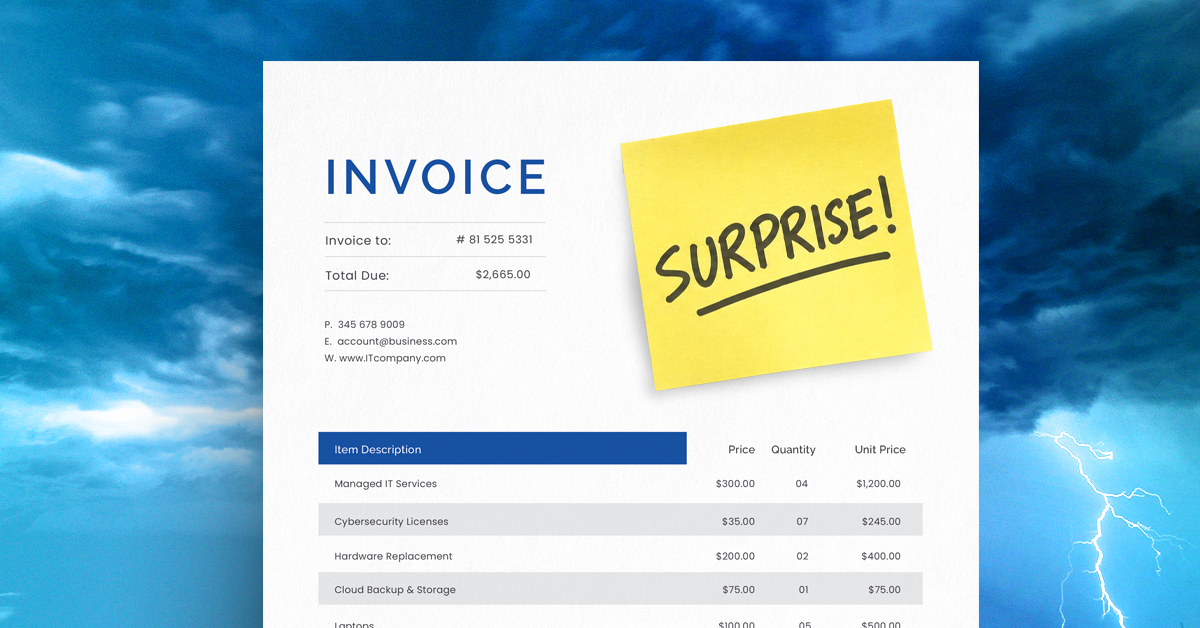
It’s easy to feel confident about your IT budget in January. Everything’s perfectly organized and approved, and you have a clear picture of what the next 12 months of technology expenses will look like. Now you can focus on your work and not worry too much about tech until your next budget conversation or quarterly business review, right?
Suddenly, it’s summer.
If you look at any suburb this Halloween, you’ll see countless monsters roaming the streets. Vampires, creatures and ghouls all “wreaking havoc” (going to parties and trick-or-treating).
The real monsters, though, don’t look like this.

Every autumn, the medicine cabinet gets a little more crowded. There's cold medicine left over from last winter, vitamins bought in bulk, half-used bottles of cough syrup and a prescription that should have been thrown out months ago. There’s plenty of medicine there, but a full cabinet has never been a measure of anyone's health.

It’s 4:17 on a Friday afternoon.
An employee receives an email that appears to be from the owner: “Can you send me the updated banking information before you leave?”
The name is right. The tone sounds familiar. And with everyone trying to wrap up the week, the easiest thing to do is simply respond.
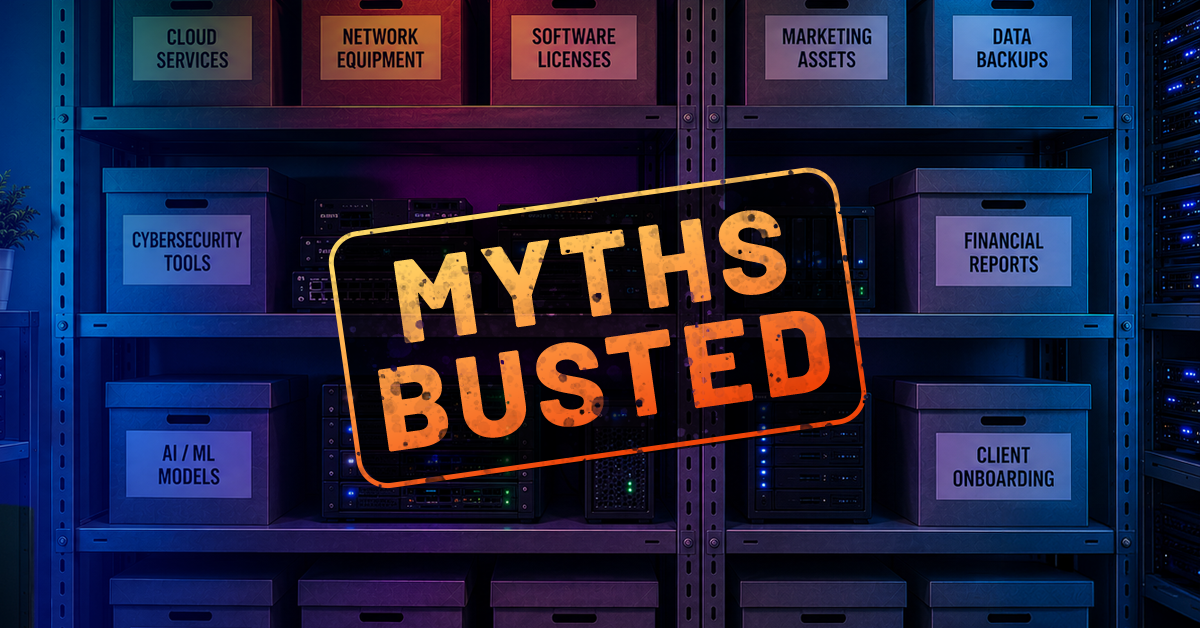
October is Cybersecurity Awareness Month and it's a good time to take stock of what you actually know vs. what you think you know when it comes to cybersecurity. Not all of the advice out there is accurate. Some has circulated for so long that it's taken on a life of its own and gets repeated until it sounds like fact, even when it's outdated or wrong.

When an employee leaves, most businesses remember to collect company equipment, process final paperwork, and remove them from payroll. One important step is easier to miss: shutting down every account, login, and permission they accumulated while working for the company.

Most businesses know they should have a disaster recovery plan. But few have one that’s current, tested and complete.
That’s not always because they lack initiative or will. Usually, the challenge is getting the first version down.
People are often better at improving something than starting from scratch.