
You wouldn’t drive without a seat belt. You wouldn’t leave your office unlocked overnight. So why go online without multifactor authentication (MFA)?
The One Button That Could Save Your Digital Life
You wouldn’t drive without a seat belt. You wouldn’t leave your office unlocked overnight. So why go online without multifactor authentication (MFA)?
There are many common myths when it comes to cybersecurity, and, unlike harmless stories, these myths can leave you with gaping holes in your company’s cybersecurity defenses. Here are five common myths and the truth behind them.
Myth #1: It Won't Happen To Us.
There’s a common belief among small and medium-sized businesses that they are too small to be a target for attackers.
When it comes to protecting your business from cyberthreats, the basics still matter. A lot. In fact, according to IBM’s 2023 Cost Of A Data Breach Report, 82% of breaches involved data stored in the cloud, and most of them could’ve been prevented with simple, foundational safeguards.
There’s a lot of excitement about artificial intelligence (AI) right now, and for good reason. Tools like ChatGPT, Google Gemini and Microsoft Copilot are popping up everywhere. Businesses are using them to create content, respond to customers, write e-mails, summarize meetings and even assist with coding or spreadsheets.
You and your employees may be getting back from vacation, but cybercriminals never take a day off. In fact, data shown in studies from vendors ProofPoint and Check Point indicate that phishing attempts actually spike in the summer months. Here’s how to stay aware and stay protected.
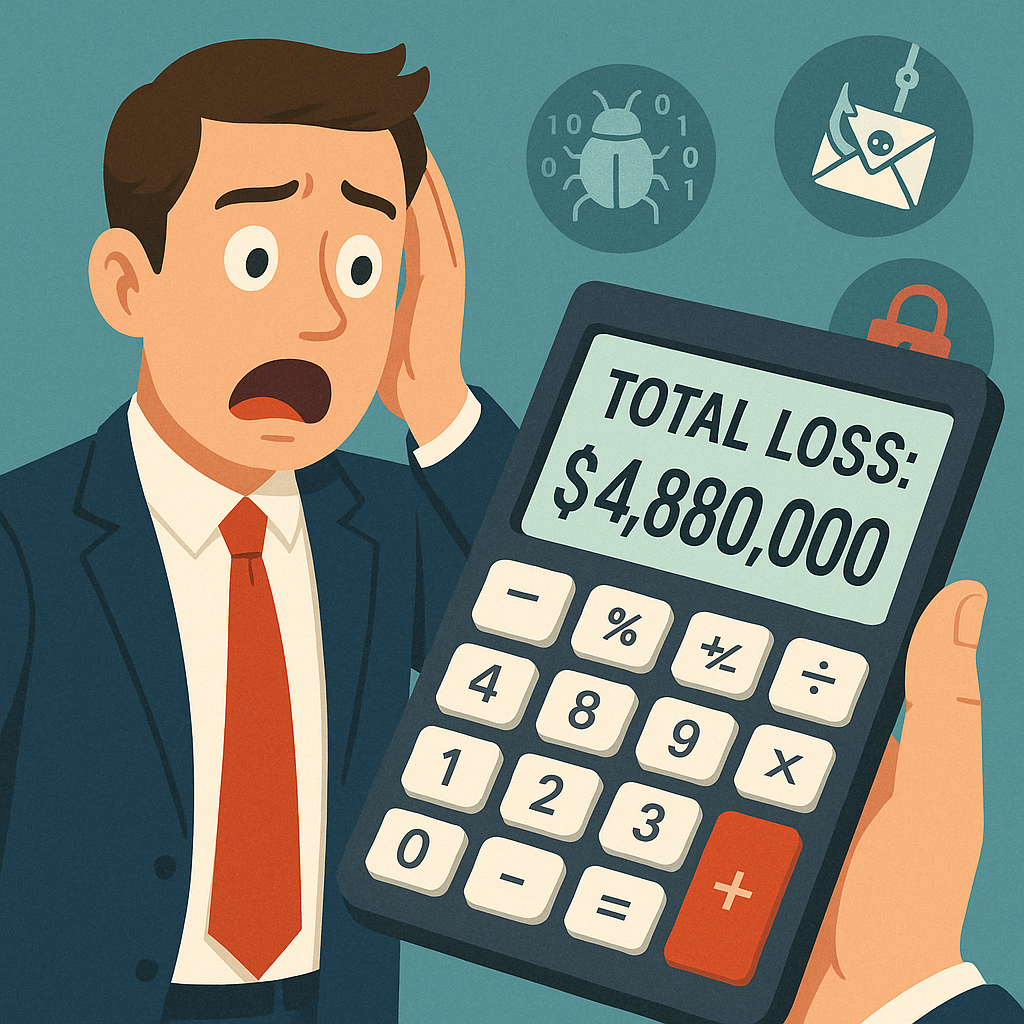
You don’t have to be a big corporation to suffer a major cyberattack. In fact, small businesses are now the most common targets for cybercriminals. Why? Because they’re easier to get into – and more likely to pay up.
And while a Fortune 500 company might be able to eat the cost of a breach, most small businesses can’t.
According to IBM’s Cost Of A Data Breach Report 2024, the average cost of a data breach is $4.88 million.
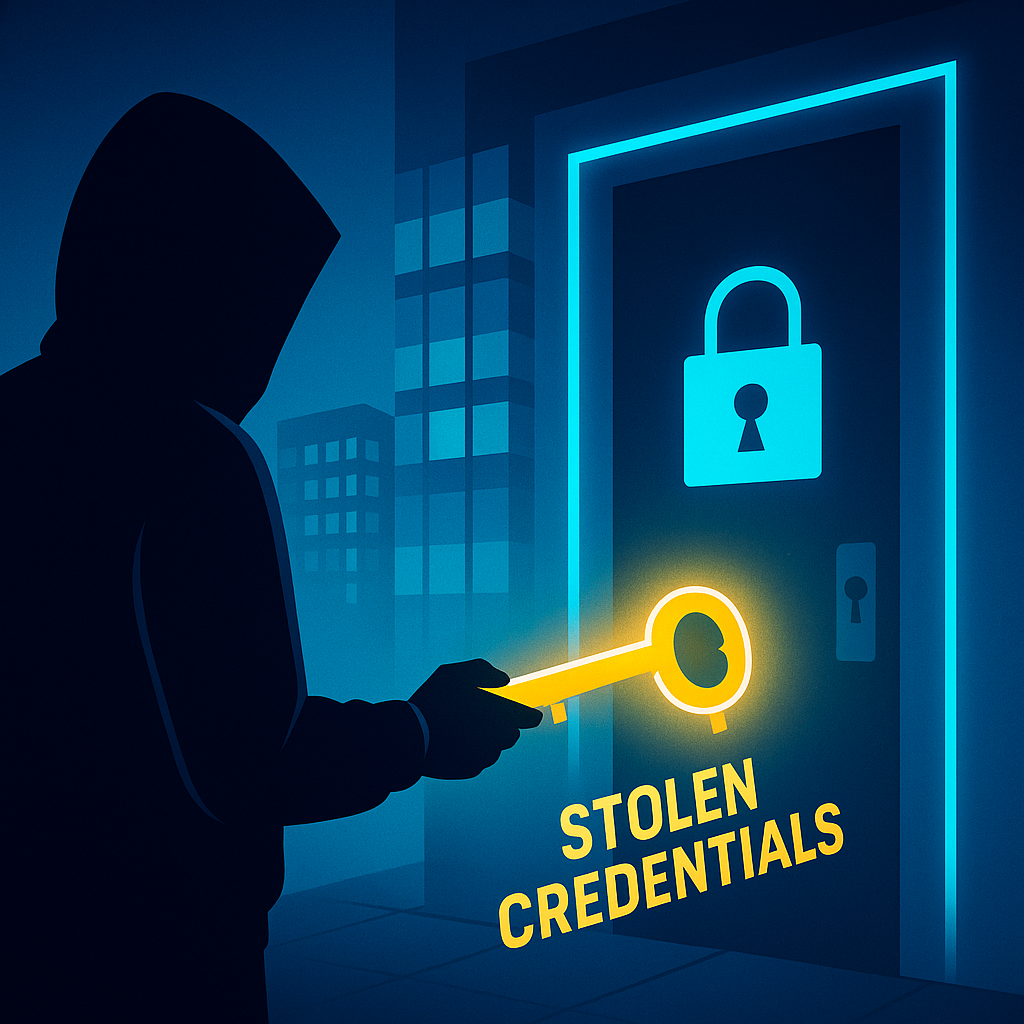
Cybercriminals are changing how they attack small businesses. Instead of breaking down the door, they’re sneaking in with a stolen key… your login credentials.
It’s called an identity-based attack, and it’s becoming the top way hackers get into systems.

If you’re still managing passwords with sticky notes, spreadsheets, your browser’s autofill, or sheer memory, you’re putting convenience ahead of security — and it could cost you. These outdated practices create easy entry points for cybercriminals, increasing the risk of data breaches, downtime, and financial loss.
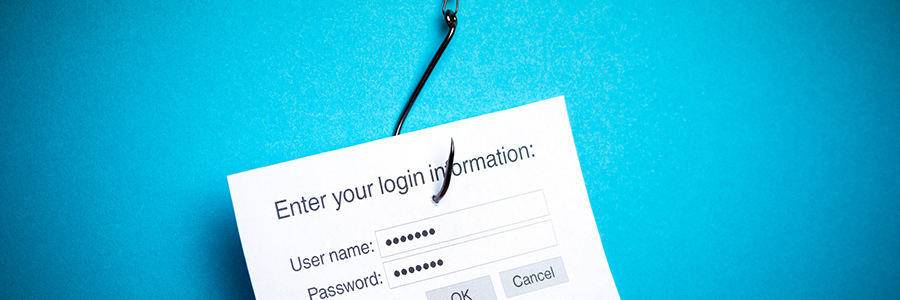
Phishing isn’t just an old trick; it’s a constantly evolving threat. What started as scammy emails with spelling mistakes and too-good-to-be-true offers has transformed into sophisticated, targeted attacks that can fool even the most cautious among us.
If you’re a small business owner in New York or anywhere in the Tri-State Area, there’s something you need to hear: you’re exactly the kind of target hackers look for.
Many small and medium-sized businesses (SMBs) assume they’re “too small” to attract attention from cybercriminals.