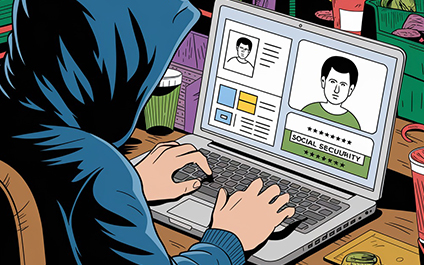
If you think hackers are only targeting Fortune 500 companies, think again.
Thanks to artificial intelligence, cybercriminals now have the power to scale their attacks like never before - and small business owners are at the top of their hit list.
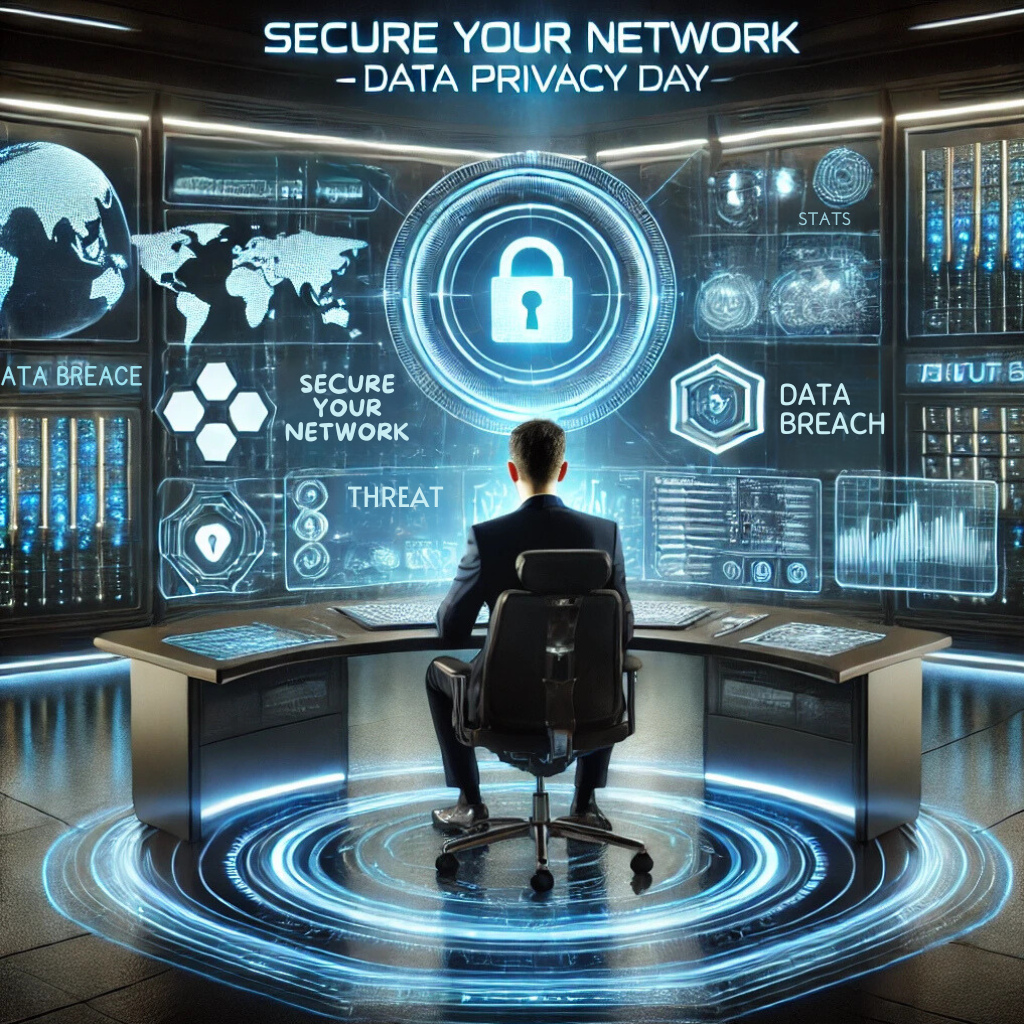
January 28 is Data Privacy Day, a global reminder of just how vital it is to keep sensitive information secure. For business owners, “data privacy” is more than just a buzzword; it’s a critical part of protecting your bottom line.
Data breaches cost businesses an average of $4.35 million in 2023, according to IBM’s Cost Of A Data Breach report, and that number is only going up.
This year has been a busy one for cybercriminals, with some massive data breaches making headlines and costing companies millions. From health care giants to project management platforms, no industry is immune to the risks. But what do these breaches mean for small to midsize businesses? The same vulnerabilities exist for you, and the consequences of not addressing them can be catastrophic.
For dentists in New York, Long Island, and the Tri-State Area, managing a dental practice comes with many challenges, one of the most pressing being compliance with the Health Insurance Portability and Accountability Act (HIPAA). While HIPAA ensures the confidentiality and security of patient information, staying compliant can feel like a full-time job in itself.
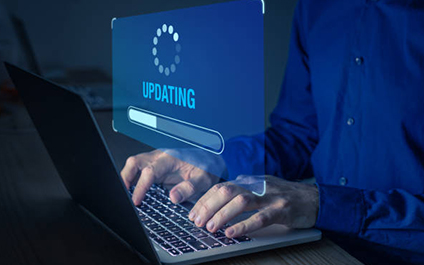
Software updates can feel like a nuisance, but skipping them is one of the easiest ways to leave your systems vulnerable to cyber-attacks. Hackers are constantly looking for weaknesses, and outdated software is like an open door to your network.
But how do you know when it’s time to update, and should you always trust your computer to tell you? Here are five clear signs it’s time to update, plus tips on how to handle updates safely.
Phishing attacks are the most common cybercrime attack for one reason…they work. Every day, over 3.4 billion spam e-mails reach unsuspecting users’ inboxes. Phishing e-mails have held the top spot as the most frequent form of attack for years because they’re easy to implement, easy to scale and continue to fool people.
Engineering firms are a prime target for cybercriminals not because they make more money than other companies, but because their data is far more valuable than that of most other organizations. With the data that engineering firms hold, cybercriminals can acquire information on the inner workings of critical structures and systems the firm worked on and undermine their safety.